
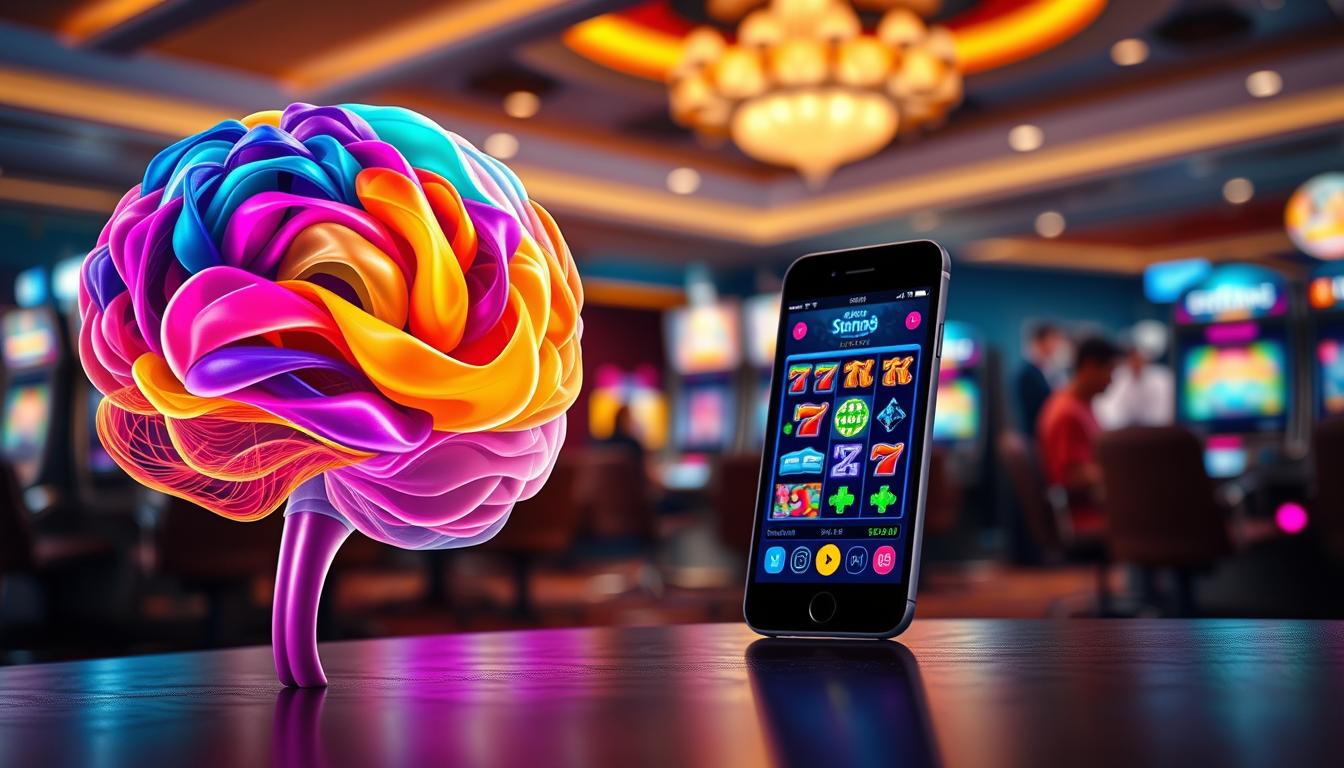
Let’s be honest. That glowing rectangle in your pocket isn’t just a phone. It’s a pocket-sized casino, and the house always has a digital edge.
Ever wonder why some apps feel impossible to put down? It’s not luck. It’s behavioral design—a mix of psychology and programming. These interfaces are made to tap into your brain’s reward system.
Think about it. A cheerful jingle, a flash of color, a progress bar that’s almost full. These aren’t accidents. They’re dopamine loops disguised as features. UX and UI design foster trust, but they also create strong habit cycles.
Every spin, every tap is fueled by anticipation. That flutter of uncertainty? It’s chemically wired to feel exciting. Designers use variable reinforcement and micro-wins to keep you engaged, turning a simple app into a 21st-century Skinner box.
Understanding this game is your first move toward playing it smarter. It’s the difference between being a passive player and an informed strategist.
Cognitive bias recognition and avoidance
Think you’re making rational decisions at the slots? Your brain’s storytelling engine, fueled by cognitive biases, says no. These mental shortcuts are old tricks for quick decisions. In casinos, they’re bugs waiting to be fixed.
Let’s look at the main culprits. They create a story where you’re the hero, and the next spin is your destiny.
The Gambler’s Fallacy is believing past random events affect future ones. Five losses in a row? Your brain thinks a win is due. But each spin is independent. The machine forgets.
The Illusion of Control makes you think your actions change the outcome. Pressing the button harder or choosing when to spin doesn’t affect the RNG. It’s like thinking a coin remembers its last flip.
The Recency Effect makes recent wins seem more important. One good win makes your whole session seem lucky. It ignores the house edge.
These cognitive biases lead to more play and empty wallets. The Gambler’s Fallacy makes you chase losses. The Illusion of Control makes you feel skilled. The Recency Effect keeps you playing for more wins.
Recognizing these biases is key. It happens in the moment. That urge to play more, feeling certain your technique works, or getting caught up in recent wins.
When you feel these urges, pause. Stop and think. Ask yourself: “Which story is my brain telling me now?” Is it about justice, control, or recent wins?
Knowing the bias helps you take control. You become the critic, not the character. This pause is where you can make better choices.
By recognizing biases, you become more aware. The slots become a study in psychology, not a drain on your wallet. You may not win, but you won’t lose to your own thinking.
Emotional regulation during gameplay
We don’t always play to win; sometimes we play to escape. Slot apps offer a dazzling escape from stress and boredom. It’s a form of digital self-medication.

Let’s call it what it is: iGaming as emotional regulation. You’re chasing a shift in your internal state. The spin becomes a ritual to cope.
It’s a colorful, interactive pacifier for adult-sized worries. The game’s world offers a comforting illusion of control. This contrasts with the chaos of real life.
I’ve been there. Stuck in a mental loop, I’d fire up a slot app. For five minutes, my brain wasn’t mine. It was owned by cascading symbols and celebratory jingles.
It felt like a reset. But here’s the twist: that reset is by design. Game developers are masters of emotional design. Those celebratory sounds and flashing lights aren’t just rewards; they’re hooks crafted to trigger a specific feeling—relief, excitement, hope—and keep you coming back for more.
So, the million-dollar question isn’t about your bankroll. It’s about your emotional ledger. Are you spinning to escape a bad mood? To elevate a neutral one? Or just to fill a silent, lonely space? Honesty here is your first line of defense.
Managing your emotional control requires the same diligence as managing your cash. Start with a pre-game check-in. Ask yourself: “What am I feeling right now, and what do I expect this game to do about it?” This simple act of labeling your emotional state builds a firewall between your mood and your gameplay.
Next, practice compartmentalization. Designate your gameplay as a distinct activity, not a background task while you’re upset or distracted. Set a timer. Create a physical or mental ritual to mark the beginning and end of your session. This helps contain the emotional experience.
Flip the script on the game’s own psychology. Use those reward sounds and bonus triggers as cues for self-awareness, not mindless stimulation. When you hear the win fanfare, pause. Take a breath. Ask, “How has my emotional state shifted?” This turns the game’s manipulative design into your own tool for mindfulness.
Your emotional bankroll is your most valuable asset. Betting it blindly on the chance for a digital distraction is a far riskier wager than any slot’s RTP. True emotional control means knowing when you’re playing the game, and when the game is playing you.
Loss aversion and sunk cost fallacies
The casino’s most powerful tool isn’t the random number generator. It’s a flaw in your brain called loss aversion. This isn’t a personal weakness. It’s a natural tendency where losing hurts more than winning feels good.
Loss aversion works hand in hand with the sunk cost fallacy. This is the feeling that you must keep going because you’ve already invested so much. It’s like watching a bad movie to the end because you’ve already spent 45 minutes.
This combination leads to a pattern called loss chasing. You’re not playing to win anymore. You’re playing to break even. It’s a cycle that digs a financial hole deeper with each bet.
To overcome this, you need to change how you make decisions. You need a new way to think in a situation that usually makes you emotional. This requires a plan, not just willpower.
Start by making a plan before you start playing. Set your budget and win goals before the game. Write them down. This makes your plan real.
Setting a hard stop-loss limit is key. This is a rule you can’t break. If you hit this limit, you stop playing. Treat it like a fire alarm—it’s not a suggestion. This rule helps keep your money safe for another day.
Seeing walking away as a smart move is important. It’s not a sign of failure. It’s a way to protect your money. Professional poker players fold often. Leaving a losing session is good for your financial health.
Beating loss aversion and sunk cost fallacy means recognizing the trap and choosing a different path. Your best decisions are made when you’re not in the heat of the moment. Plan your exit before you start.
Developing winning mindsets
Let’s debunk a myth: a ‘winning mindset’ in mobile gaming is all about strategy, not luck. The true victory lies in your mindset, not just the game.
Today’s slot games aim to keep us hooked. They use achievements and progress bars to lure us in. But true mindset training teaches us to find joy in the journey, not just the outcome.
Forget about the big wins. Find happiness in analyzing your play. Did you stick to your plan? Did you spot a game’s pattern? Celebrate those moments of discipline.

Think of it like a mix of stoicism and sports training. A runner can’t control the weather, but they can control their pace. You can’t control the random number generator, but you can control your budget and time. That’s where you have power.
This mindset change makes you more engaged. You go from hoping for luck to being an active player. You play to keep your agency, not just for money. That’s the essence of effective mindset training.
| Aspect | Outcome-Focused Mindset | Process-Focused Mindset |
|---|---|---|
| Primary Goal | Financial win (jackpot) | Maintained discipline and enjoyment |
| Source of Satisfaction | Payout screen | Adherence to personal strategy |
| Response to Loss | Frustration, chasing losses | Analytical review, session termination |
| Key Metric | Money won/lost | Time spent, decisions made |
| Long-term Result | Burnout, financial risk | Sustainable, entertaining practice |
Redefine what winning means. Is it about the money, or is it about keeping your sanity? The latter requires discipline. It turns a game into a journey of self-improvement.
This isn’t just theory; it’s a practical guide. Your next gaming session is a chance to practice. Focus on what you can control. Notice when you accept chance. That’s where true progress happens.
Meditation and focus techniques
In the digital casino, every spin is a tempting call. But focusing is more about smart thinking than willpower. Our attention is precious, yet we often lose it to endless scrolling and autoplay. This guide helps you regain control. It’s not about chanting mantras, but using meditation and focus techniques during play. Think of it as mental care for your gambling psychology.
The main goal is to create a buffer. This is the time between a loss and your reaction. This buffer is where you make choices, not just react. It’s the difference between being controlled and being in control. Let’s learn how to do this.
Start with your breath. It’s a simple way to reset. After a loss, don’t spin again right away. Instead, breathe deeply: Inhale for four, hold for four, exhale for six. Do this three times. It lowers stress and brings you back to now. It’s a way to stop the emotional chain that gambling psychology uses.
Then, use the Pomodoro Technique to manage your time. Set a 25-minute timer for each session. When it goes off, take a five-minute break. Get up, look out the window, stretch. This isn’t optional; it’s a rule you set for yourself. This method, as seen in mindful casino entertainment, helps you avoid compulsive play.
Now, observe your surroundings mindfully. This is the advanced part. While playing, notice the sights and sounds. “The reels are blurry stripes of color. The sound is a synthetic cascade. My thumb is tense on the screen.” See these things as if you’re studying a ritual. You’re present without being absorbed. You’re in the game but not controlled by it.
This detached awareness is your defense against the game’s pull. It turns the game’s sights and sounds into data. The goal isn’t to feel nothing. It’s to understand the game’s mechanics. When you do, the urge to chase losses or play too long weakens. You see the sunk cost fallacy for what it is—a bad argument your brain makes.
These techniques change how you experience the game. Winning isn’t just about money; it’s about keeping control of your attention and actions. By using mindfulness, you’re not just playing. You’re practicing mental discipline that makes you stronger in any challenging situation. You become the pilot, not just a passenger. This shift is the biggest win in gambling psychology.
Stress management for mobile gaming
In today’s world, mobile slot apps are always there, ready to help manage stress. They’re in your pocket, ready to distract you anytime. This isn’t just for fun; it’s a quick escape from stress.
Mobile gaming has its own stressors. You can play without anyone watching, making it a secret activity. Fast decisions can lead to quick losses. But the biggest stressor is ambient availability. Your phone is always there, tempting you with quick fixes for boredom or stress.
Research shows how gaming can affect your mind. It can be a source of stress, not just a way to relax. This is why it’s important to understand the impact of gaming on our mental health.
Our phones are like extensions of our brains. When we’re stressed, we often reach for them. This isn’t just a habit; it’s a way to try to control our emotions. But, using our phones as a quick fix can lead to more stress.
Using tools to manage our gaming is key. Setting deposit limits or reminders can help. These tools are like project management software for our fun activities.
Creating a better digital environment is also important. If gaming apps stress you out, turn off notifications. Use your phone’s built-in features to set boundaries. This helps you stay focused and in control.
Plan your gaming sessions like you would any other activity. Schedule them in your calendar. This way, you can enjoy gaming without it taking over your life.
By managing our gaming, we can make it a source of relaxation. Set clear goals, allocate time and money, and have a plan to stop. This approach helps us enjoy gaming without feeling stressed or overwhelmed.
Mobile gaming should be a fun escape, not a source of stress. By using tools and managing our environment, we can make gaming a positive experience. We can take back control of our leisure time and enjoy our phones without feeling overwhelmed.
Building healthy gambling habits
This is where our journey really starts. Building healthy gambling habits is the key. It’s the result of understanding every cognitive bias and emotional trigger.
It turns insight into action. Every spin becomes a chance to make a conscious choice.
Imagine building a custom UI for your brain. The main buttons should be ‘Pause,’ ‘Reflect,’ and ‘Enjoy.’ Use the data your apps collect to help you.
Set limits on your play and use tools like time-outs wisely. They’re not restrictions, but tools for freedom. Sites like SlotOnlineCasinosiOS.com focus on player well-being with clear, unbiased advice.
rue loyalty comes from trust and ethical design, not just winning. It’s about playing in a way that’s healthy for you and ensures you always remain in control of your decisions. Smart players focus on value and responsibility, using tools like exclusive sportsbook promo codes to enhance their experience without chasing unnecessary risks. The real success is leaving a session with your money, composure, and curiosity intact. That’s the only win that tru
Leave a Reply