

Ever wonder why your phone feels like a digital slot machine sometimes? I’ve analyzed these clever mobile platforms enough to recognize their subtle persuasion techniques.
These apps use sophisticated gambling mechanisms that would make behavioral economists blush. They’re not just games – they’re carefully crafted systems playing your brain like a violin.
The most powerful tool? Variable rewards that hit your dopamine receptors like a perfectly timed espresso shot. You never know when that next win might come, keeping you glued to the screen.
We’ll explore how these mobile casino features work and why they’re so effective. It’s like watching a magician reveal their tricks, except the rabbit in this hat is your wallet.
How they influence attention and risk taking
Ever wonder why your phone feels like a slot machine? Push notifications are more than reminders. They’re psychological tricks, made by experts who studied Skinner’s pigeons too much.
Mobile casinos use the near-miss effect well. Imagine two sevens almost lining up, but the third doesn’t quite fit. Your brain thinks it’s a win, thanks to dopamine. This keeps you playing, tricked by your own brain.
These alerts aren’t random. They come when you’re tired or need a break. That “bonus expiring in 15 minutes” feels as urgent as a deadline.
Variable ratio reinforcement makes gambling addictive. Unlike fixed rewards, random payouts make you keep playing. Mobile apps mix small wins with near-misses, making you chase losses.
Studies show these tricks can increase betting by 30%. It’s not fun—it’s exploitation. The push notifications are just the start of a psychological game.
Counter‑nudges you can set (notification filters, grayscale mode, icon burying)
Mobile casinos are like modern sirens, but counter-nudges are your shield. They turn your device back into a tool, not a temptation. It’s like using their own strength against them.
Dark patterns work by hiding in plain sight. They use our automatic behaviors and emotions. But once you see them, you can fight back.
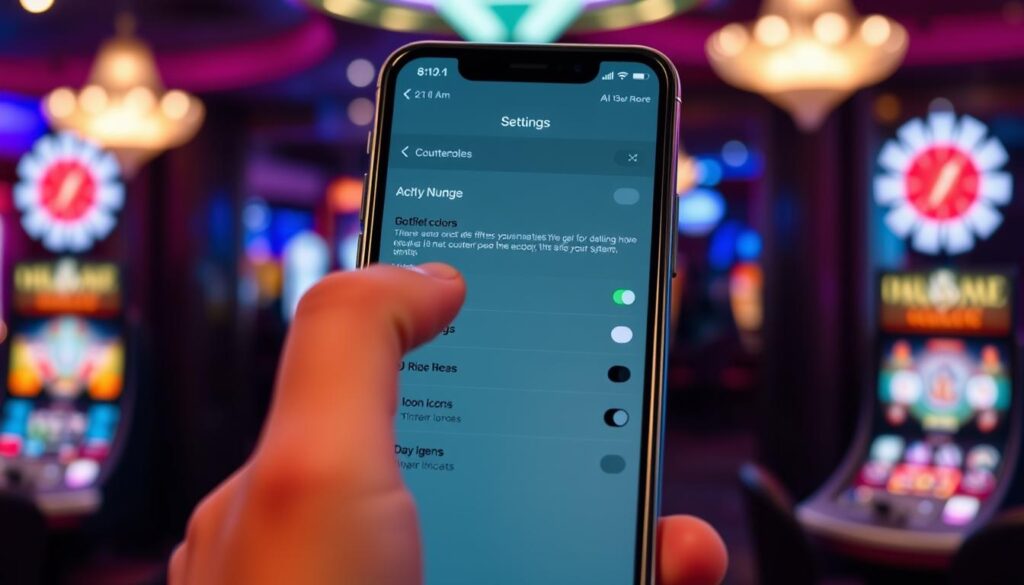
Notification filters
Your phone’s notifications are like a slot machine for your attention. Each alert gives you a dopamine hit. Casino apps use “limited-time offers” to keep you hooked.
Default opt-out is the solution. Turn off notifications. On iOS, go to Settings → Notifications and revoke privileges. On Android, long-press the app → App Info → Notifications → turn off.
This creates a “friction wall.” It makes you think before opening the app. It’s like keeping junk food out of sight.
Grayscale mode
Grayscale mode is a powerful tool. It makes everything look dull, like a spreadsheet. This removes the excitement and urgency.
Switch to grayscale to see the difference. It’s like wearing reality glasses. It reveals the manipulative design.
On iPhone: Settings → Accessibility → Display & Text Size → Color Filters → Grayscale. On Android: Settings → Digital Wellbeing → Wind Down → Grayscale.
Icon burying
Out of sight, out of mind is true. Seeing a casino app icon triggers thoughts before you’re aware. It’s automatic.
The fix is to hide these apps. Move them off your home screen. Label folders “Time Wasters” or “Don’t Open.” Put them on the last screen page.
This adds “implementation friction.” It gives your rational brain time to catch up with your impulsive one.
| Counter-Nudge | Psychological Principle | Effectiveness Rating | Setup Time |
|---|---|---|---|
| Notification Filters | Attention Economy | 9/10 | 2 minutes |
| Grayscale Mode | Visual Perception | 8/10 | 1 minute |
| Icon Burying | Environmental Cues | 7/10 | 30 seconds |
These strategies aren’t about willpower. They’re about wisdom. You’re fighting dark patterns that exploit psychology. They work automatically once set up.
Remember, the house always designs the game to win. Your move is to change the game entirely.
Offer hygiene: when to decline bonuses
That shiny bonus offer on your screen? It’s more of a financial trap than a gift. Casino bonuses are like the Trojan horse of today – they look great but have hidden terms.
FOMO offers play on our emotions. They use countdown timers and “limited time” warnings to make us act fast. This happens before we think things through.
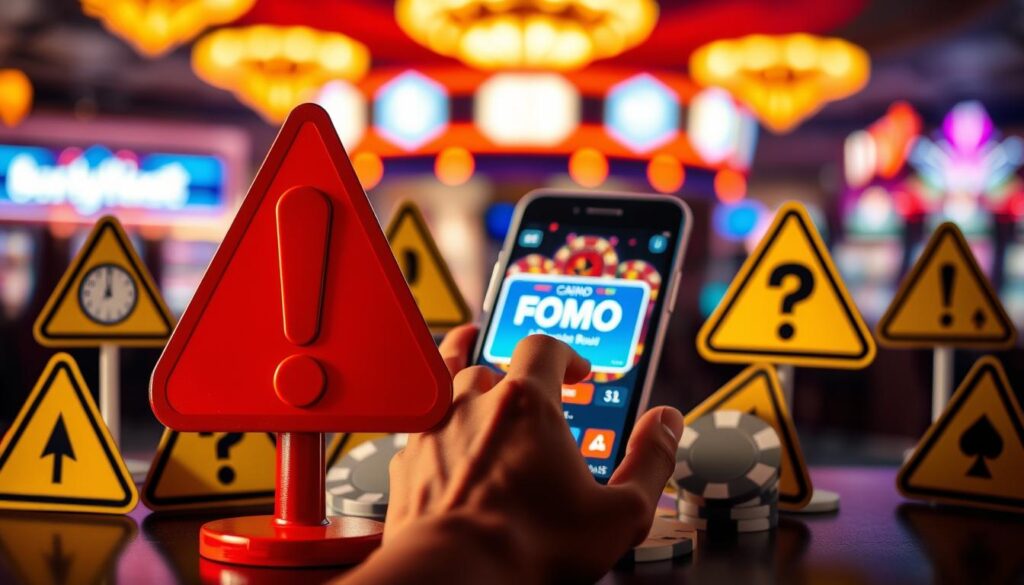
Studies show these offers are made to avoid our critical thinking. The tricky wagering requirements? They’re not mistakes, but features. That “200% match” might mean you have to bet a lot before seeing your money.
So, when should you say no to these “generous” offers? Let’s look at it:
| Red Flag | What It Means | Your Response |
|---|---|---|
| PhD-Level Terms | Requirements needing legal expertise to understand | Immediate decline |
| Time Pressure | Countdown timers eliminating thoughtful decision-making | Walk away |
| String Attachments | More conditions than a marionette has strings | Hard pass |
| Unrealistic Wagering | 40x+ playthrough requirements | Not worth it |
| Balance Traps | Bonuses that lock your funds indefinitely | Absolute avoidance |
Remember, if it seems too good to be true, it probably is. These FOMO offers aim to take your money, not give you value. They make you think you’re getting a deal, but you’re not.
The smartest move? Sometimes, the best bonus is the one you never take. Your future self will appreciate you for reading the fine print instead of rushing in.
Build a friction wall before deposits
Have you ever noticed how Amazon makes spending money seem magical? Just one click and your wallet is lighter. Mobile casinos have learned from this, but they do it in a way that helps you stay in control. They add obstacles to stop you from making quick, impulsive deposits.
This idea is based on simple psychology. The easier something is, the less we think about it. So, we make things harder to do on purpose. This way, we work with our nature, not against it.
- Manual amount entry instead of one-click preset buttons
- Mandatory cooling-off periods between deposit attempts
- Separate banking accounts just for gambling funds
- Password protection requirements for each transaction
Studies show that a 24-hour wait can cut down on gambling problems a lot. It’s not about stopping you—it’s about giving you time to think.
These steps make us think before we act. It’s not about blocking you; it’s about making smart choices. We’re all humans with biases, not perfect decision-makers.
| Friction Technique | How It Works | Psychological Impact |
|---|---|---|
| Manual Entry | Forces typing amount instead of preset buttons | Creates moment of conscious decision-making |
| Cooling-off Periods | Imposes waiting time between deposits | Allows emotional arousal to subside |
| Separate Accounts | Requires transferring funds from main account | Creates psychological separation from “real money” |
| Password Protection | Adds authentication step for each transaction | Introduces intentional pause in spending process |
Your future self will thank you for being a bit inconvenient. Sometimes, the best design isn’t the easiest. It’s the one that makes us think the most.
Long‑term habits that stick
Forget chasing jackpots. The real win is building a relationship with gambling that doesn’t feel like a bad Netflix series you can’t quit. Sustainable habits aren’t about willpower—they’re about smart design psychology.
Pre-commitment tools are your best friend. Set deposit limits before you play, like a financial airbag. Audit your spending monthly. Treat it like a streaming subscription, not a lottery ticket.
These nudges work because they redesign your environment. You’re not fighting temptation; you’re outsmarting it. Think of it as Marie Kondo-ing your gambling habits—keep only what sparks joy, not regret.
Gambling should be entertainment, not a second job. The house always wins, but you control how long you stay at the table. Make it a choice, not a chain.
Leave a Reply