

Welcome to the digital arms race where your attention is the ultimate prize. Trying to control online access feels like playing whack-a-mole in an endless carnival of distraction.
We need layered protection that would make Fort Knox jealous. Think digital bouncers at every entrance point.
Device-level restrictions cling to your hardware like that one friend who won’t leave the party. Network solutions operate at the infrastructure level – sometimes you need to think bigger than your smartphone.
Third-party tools bring professional-grade blocking to the amateur hour of willpower. It’s about building a digital moat around your focus.
Consider this digital rehab for your connected life. Our devices apparently need intervention more than we do.
Step‑by‑step: Gamban/BetBlocker install and configure
Sometimes, we need family controls for adults because we can’t resist temptation. Installing gambling blockers is like having a digital bodyguard. They don’t take bribes or listen to excuses.
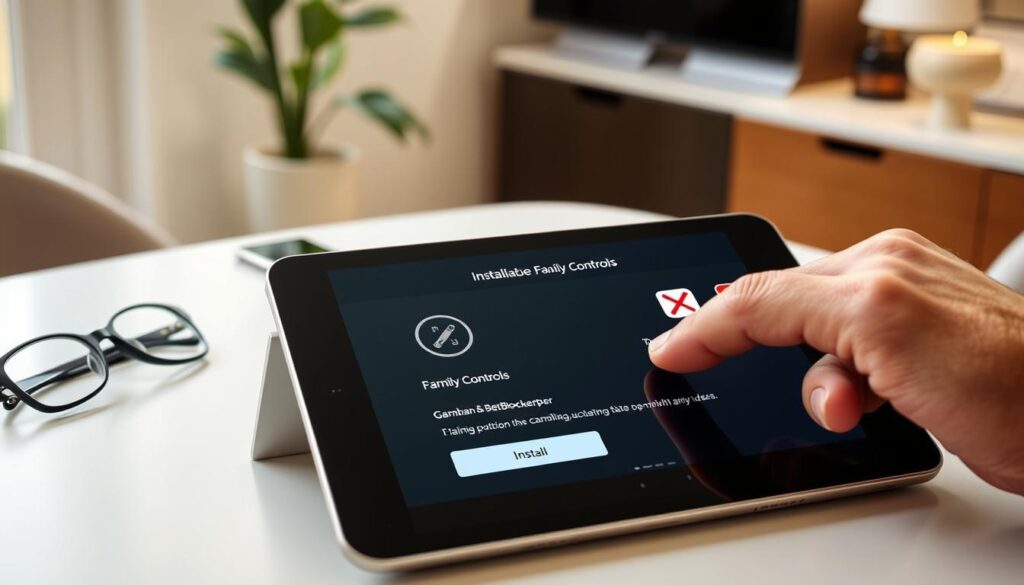
- Download the app from Gamban’s website or your device’s app store
- Create an account using an email even you won’t remember
- Enable the nuclear option – gambling site blocking
- Set up your secret recovery questions (make the answers lies)
- Activate and pretend you don’t know how to reverse it
Gamban works across devices like a tech-savvy parent. Install it on your phone, tablet, and computer. The sync feature means all devices will judge you equally if you try to cheat.
BetBlocker is free and community-driven. It’s like Wikipedia’s stricter cousin. Their database updates constantly, blocking new sites faster than you can say “this time will be different.”
Configuration is key. Set time limits that fit your schedule. Enable all gambling categories – sports betting, casinos, poker sites. Don’t leave yourself loopholes wider than a Vegas buffet.
The beauty? These tools don’t negotiate. They’re like that friend who takes your car keys when you’ve had too much. Here, the car is your bank account and the drinking is online roulette.
Remember: the best family controls for adults are the ones you can’t easily disable. Set up password recovery with someone you trust. Sometimes, we need protection from our best worst ideas.
iOS/Android native content restrictions and profiles
Modern smartphones have built-in tools to help you stay in control. They’re called ‘digital wellness’ features. These tools help prevent late-night betting and impulsive gambling.
Think of them as training wheels for your digital self-control. They won’t stop you if you really want to gamble. But they’ll make you think twice.
Your Phone’s Built-In Sobriety Tests
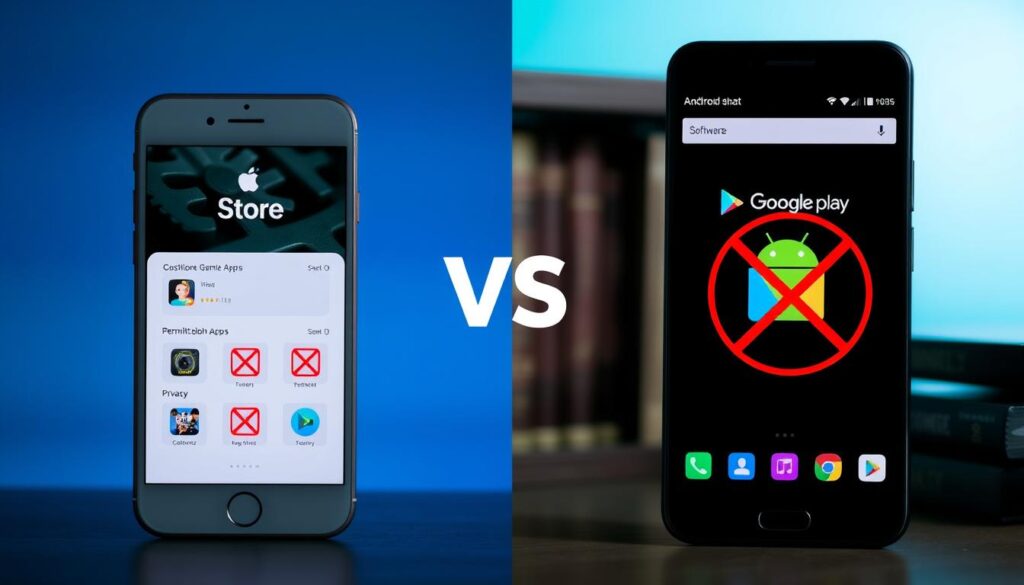
iOS users have Apple’s Screen Time. It’s a way for Apple to say “we know you have no self-control.” It’s quite detailed once you explore it.
Here’s what Screen Time offers to gamblers looking to change:
- App limits that lock you out after set times
- Content restrictions that block adult sites and certain categories
- Communication limits during downtime hours
- Always-allowed apps that exclude betting platforms
Android users also have their own self-policing tool. Google Family Link acts as your digital conscience. It’s like having an algorithm to guide you.
The Android approach includes:
- Daily time limits for all apps or specific categories
- Bedtime mode that turns your phone into a brick after hours
- App approval requirements before new installations
- Location tracking for added supervision
SafeSearch is also important. It prevents search results that might lead to gambling sites. It’s like a filter for your life choices.
Both platforms offer strong device restrictions to keep your phone free from gambling. The key is to set them up before you lose control.
| Feature | iOS Screen Time | Android Family Link |
|---|---|---|
| Website Filtering | Blocks specific sites and categories | Filters inappropriate content |
| App Restrictions | Time limits and always-block options | App approval required |
| Downtime Scheduling | Full device lockdown during set hours | Bedtime mode with grayscale display |
| Content & Privacy | Prevents settings changes | Requires parent approval for changes |
| SafeSearch Enforcement | Built into Safari restrictions | Forces Google SafeSearch |
The beauty of these native restrictions? They’re free, built-in, and don’t require another app. You won’t delete them in a moment of weakness.
Setting up these digital guardrails takes about 15 minutes. But they offer 24/7 protection. It’s like giving your car keys to a friend before going to the casino.
Remember to enable SafeSearch on all browsers and search engines. This way, even if you look for trouble, the internet won’t make it easy to find.
Network‑wide blocks with DNS filters
Imagine having a digital bouncer at your internet’s entrance. This bouncer checks every digital ID before letting you in. That’s what DNS filtering does – it blocks all devices without caring about your tech skills.
This makes your whole network a place where you can’t gamble. Your router acts like a moral guide. It decides which websites you can visit based on your rules.
How DNS Services Create Digital Boundaries
Tools like Control D and OpenDNS act like internet cops. They have huge lists of website categories. They block gambling sites before you can visit them.
Setting it up is like giving your router a moral boost. You’re telling your network to block gambling sites before they reach any device.
Here’s why DNS filtering works so well:
- Universal coverage: Works on all devices, from phones to smart appliances
- Zero configuration required on devices once the network is set up
- Real-time categorization that keeps up with new gambling sites
- No performance impact on your internet speed or browsing
It’s like giving your digital world a conscience. Your smart fridge might judge your snacks, but it won’t gamble with you.
This system is simple yet powerful. You’re not fighting temptation device by device. You’re changing your whole digital world to make better choices.
It’s like removing junk food from your kitchen. The temptation goes away because you can’t find it in your controlled space.
Preventing easy workarounds
Your future self is always finding ways to get around your rules. It’s like playing chess against yourself, knowing all your moves. This is because you’re your own opponent.
The VPN Dilemma
Virtual Private Networks are a big deal in the world of workarounds. They’re like wearing a disguise to look like you’re from somewhere else. The VPN caveats are both about tech and psychology.
Tools like Control D have a clever system. They block gambling sites and the VPNs that try to get around them. It’s like having a bouncer who checks IDs and knows fake ones too.
The irony is that if you can set up a VPN to bypass blocks, you can also block VPNs. It’s a game where you get better at stopping yourself.
Beyond VPNs – Other Bypass Methods
Proxies and DNS tunneling tools are sneaky alternatives to VPNs. They’re simpler but easier to find. The trick is to think ahead of your impulsive self.
Securing your home is like blocking access to gambling sites. You lock doors, check windows, and even the doggy door. Effective blocking means covering all bases:
- VPN services and their IP ranges
- Public proxy servers
- DNS-over-HTTPS tunneling
- Tor network access points
Creating a Double-Lock System
The best strategy is to use multiple defenses. It’s not just about blocking sites but also the ways to reach them. This is called “defense in depth.”
Your future self might be clever, but it’s also lazy. Make the workarounds hard, and even your most determined self might lose interest.
If you’re learning networking to gamble, it’s not a win. It’s a sign you need help. The real victory is using those skills for good, not harm.
Maintaining blocks during travel
Travel can turn your digital fortress into a fragile house of cards. Different networks and new devices can test your willpower. It’s easy to lose focus when you’re on the move.
Mobile apps like Gamban and BetBlocker are your travel buddies. They work across networks, keeping you on track. They’re like family controls for adults who can’t resist temptation in new places.
DNS services on your devices keep you honest, even when you’re far from home. It’s like having a conscience that follows you everywhere. Hotel Wi-Fi might not care about your goals, but you can.
These systems make sure you stay protected, no matter where you are. They’re the family controls for adults who know temptation never takes a break.
Leave a Reply